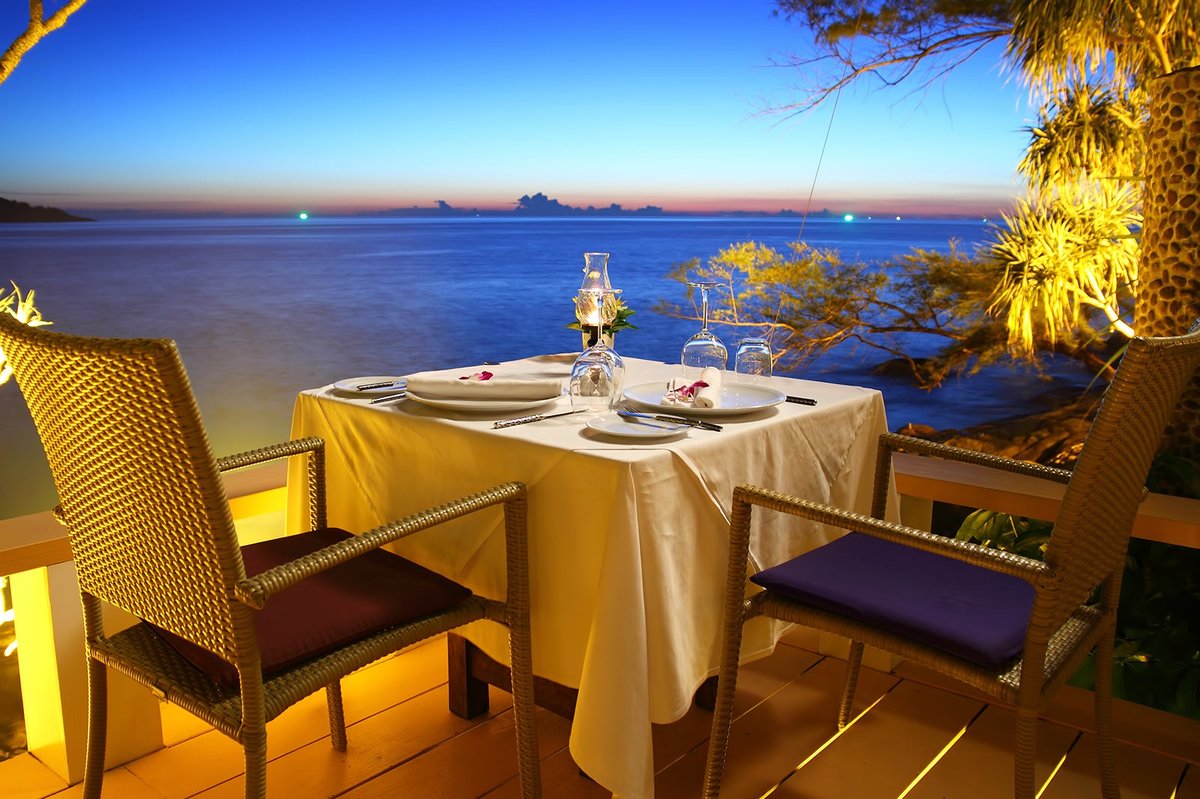
The soft glow of candlelight, the clink of crystal, the whisper of anticipation as a meticulously crafted dish arrives – these are the hallmarks of an exceptional evening. More than just a meal, experiences at Fine Dining & Romantic Restaurants are carefully orchestrated symphonies designed to delight all senses, foster intimacy, and create indelible memories. Whether you're celebrating a milestone, rekindling a spark, or simply indulging in the art of gastronomy, choosing the right venue transforms a simple dinner into a cherished event.
At a Glance: Crafting Your Perfect Romantic Culinary Journey
- Define Your Vibe: Determine if you seek grand elegance, cozy intimacy, or something in between to match your occasion.
- Research Beyond the Menu: Look for reviews on ambiance, service, and the overall dining experience, not just the food.
- Make Reservations Thoughtfully: Book well in advance, especially for popular spots or special dates, and communicate any special requests or dietary needs upfront.
- Dress to Impress (or Respect): Understand the restaurant's dress code to feel comfortable and appropriate.
- Savor the Experience: Fine dining is about pacing. Allow ample time to enjoy each course, the conversation, and the atmosphere.
- Engage with the Staff: Sommeliers, servers, and chefs are part of the experience. Don't hesitate to ask questions or seek recommendations.
- Focus on Connection: Ultimately, the best romantic dining experiences are those where the food and setting enhance, rather than distract from, your connection with your companion.
More Than Just a Meal: The Essence of Fine Dining & Romantic Restaurants
What elevates a good restaurant to a truly fine dining experience, and what makes it explicitly romantic? It's a confluence of elements, meticulously curated to transport you from the everyday. Think of it as theatre for your taste buds and a sanctuary for your connection.
Fine dining isn't solely about high prices; it's about a commitment to excellence across the board. From the provenance of ingredients to the artistic presentation on the plate, every detail is considered. Service is often anticipatory, informed, and discreet, adding to a sense of effortless luxury. The atmosphere is carefully constructed – lighting, acoustics, decor, and even the distance between tables all contribute to the overall feeling of exclusivity and intimacy. As noted by sources like OpenTable when highlighting romantic spots, these venues are praised for their "cozy atmospheres, exceptional service, and superb culinary offerings," ranging from "expertly prepared local dishes to authentic international cuisine." They understand that an "inviting environment" is key to making a night out truly special and "creating lasting memories in picturesque settings."
When romance is the goal, these elements deepen. Dimmed lighting, plush seating, soft music, and privacy become paramount. The menu might feature dishes designed for sharing, or offer tasting menus that encourage a shared culinary journey. It’s an opportunity to slow down, disconnect from distractions, and reconnect with your loved one over extraordinary food and drink.
Decoding the Experience: What to Expect from Fine Dining
Stepping into a fine dining establishment or a specifically romantic restaurant should feel like entering a different world. Here's a deeper look at what to anticipate:
Elevated Ambiance: The Setting for Your Story
The moment you cross the threshold, the ambiance takes over. You'll often find thoughtful design choices:
- Lighting: Often subdued, with strategic spotlights on tables or art, creating a warm, intimate glow. Candlelight is a classic romantic touch.
- Decor: Expect high-quality materials – rich wood, luxurious fabrics, bespoke artwork. Themes might range from modern minimalist elegance to classic grandeur, but always with an eye for detail and comfort.
- Acoustics: Sound management is crucial. You should be able to converse comfortably without shouting over other diners, yet also not feel like your conversation is overheard. Soft background music, if present, is usually non-intrusive and complementary.
- Table Settings: Pristine linens, polished silverware, elegant glassware, and often fresh floral arrangements or understated centerpieces. Every item has its place and purpose.
Impeccable Service: Anticipating Your Every Need
The service in fine dining is an art form. It's often orchestrated like a ballet, with staff moving gracefully and purposefully.
- Knowledgeable Staff: Servers are highly trained, often possessing deep knowledge of the menu, ingredients, cooking techniques, and beverage pairings. Don't hesitate to ask for recommendations or clarification.
- Attention to Detail: From refolding your napkin when you step away from the table to seamlessly replacing a dropped fork, the staff anticipates needs before you even voice them.
- Pacing: The meal is paced to perfection, ensuring you don't feel rushed between courses, allowing ample time for conversation and savoring each dish.
- Discretion: While attentive, the service is rarely intrusive. Staff are present but not overbearing, allowing you space to enjoy your company.
Exquisite Cuisine: A Culinary Masterpiece
This is often the star of the show. Fine dining chefs are artists, and their plates are their canvases.
- Menu Structure: Often features multi-course options (e.g., tasting menus, prix fixe) or à la carte selections designed for progression. You might encounter an amuse-bouche (a tiny, complimentary bite to awaken your palate) before the appetizers.
- Ingredients: Expect peak-season, high-quality, often locally sourced or rare ingredients. There's a strong emphasis on freshness and provenance.
- Presentation: Each dish is a visual feast, arranged with precision, color, and texture. Garnish is purposeful, not just decorative.
- Culinary Techniques: Chefs employ advanced techniques, often combining classic methods with modern innovation to create unique flavor profiles and textures.
Curated Beverage Programs: The Perfect Complement
A fine dining experience is incomplete without a thoughtful selection of beverages.
- Extensive Wine Lists: Often managed by a sommelier, these lists can be encyclopedic, featuring bottles from renowned regions and hidden gems alike.
- Expert Sommelier Service: Don't be intimidated! A sommelier's role is to guide you, understanding your preferences and budget to recommend the perfect pairing for your meal.
- Craft Cocktails: Beyond wine, many establishments boast impressive bar programs with innovative, handcrafted cocktails using premium spirits and fresh ingredients.
- Non-Alcoholic Options: Increasingly, fine dining offers sophisticated non-alcoholic pairings or mocktails that rival their alcoholic counterparts in complexity and flavor.
The "Little Touches": Enhancing the Journey
These are the unexpected delights that linger in your memory.
- Amuse-Bouche: As mentioned, a complimentary starter.
- Palate Cleansers: Small sorbets or granitas served between courses, particularly with tasting menus, to refresh your palate for the next dish.
- Petit Fours: Small, exquisite confectionaries offered after dessert, often with coffee or tea, as a final sweet flourish.
- Personalized Notes: For special occasions, you might find a handwritten card at your table.
Crafting the Perfect Romantic Evening: A Step-by-Step Guide
Planning a memorable romantic dinner can be as enjoyable as the meal itself. Here’s how to ensure every detail contributes to an unforgettable experience.
Step 1: Define Your Occasion & Vibe
Before you even open a menu, consider the why behind your dinner.
- Anniversary or Milestone? This calls for something truly special, perhaps a tasting menu or a restaurant known for its celebratory atmosphere. For those celebrating in the Midwest, exploring Springfield MO anniversary dinners can provide excellent starting points for a truly memorable evening.
- First Date? You might prefer a place that's upscale but not overly formal, allowing for easy conversation and a relaxed atmosphere.
- Rekindling Romance? Perhaps a restaurant with a cozy, intimate setting where you can truly focus on each other.
- Just Because? Sometimes the best romantic dinners are spontaneous acts of indulgence. The vibe can be more relaxed, perhaps a place known for its amazing wine list and small plates.
Consider the level of formality you both prefer. Do you want white-glove service and hushed tones, or a lively, upscale bistro with a more relaxed elegance?
Step 2: Research & Selection: Finding "The One"
This is where your inner detective comes out.
- Online Reviews & Aggregators: Sites like OpenTable, TripAdvisor, Yelp, and Google Maps are invaluable. Pay attention to comments about ambiance, service quality, noise levels, and specific dishes.
- Local Guides & Publications: Food blogs, local magazines, and newspaper reviews often highlight hidden gems and provide insider perspectives.
- Word of Mouth: Ask friends, family, or colleagues for their recommendations, especially if they share similar tastes.
- Key Criteria to Consider:
- Cuisine Type: What do you both enjoy? French, Italian, modern American, sushi, steakhouse?
- Price Point: Be realistic about your budget. Fine dining can range widely.
- Location: Is it convenient? Does it offer picturesque views or a private setting?
- Special Amenities: Does it have a fireplace, outdoor seating, private dining rooms, or live music that aligns with your romantic vision?
- Atmosphere: Look at photos. Do they convey the intimacy and elegance you're seeking? For example, if you're planning a special evening, researching best upscale Springfield date night options can guide you to venues specifically designed to impress and delight.
Step 3: Making the Reservation
Once you've chosen your spot, don't leave it to chance.
- Book in Advance: Especially for popular restaurants, weekend nights, or holidays, reservations can be essential weeks, if not months, ahead.
- Communicate Special Requests:
- Table Preference: "A quiet table for two," "a table by the window," "a booth," or "away from the kitchen."
- Dietary Restrictions: Always inform the restaurant about allergies, intolerances, or dietary preferences (vegetarian, vegan, gluten-free) when booking. This allows the kitchen to prepare.
- Special Occasion: Mention if it's an anniversary or birthday. While not guaranteed, some restaurants offer a small complimentary treat or a personalized touch.
- Confirm: A quick call or online confirmation the day before can prevent any misunderstandings.
Step 4: Dressing the Part
Feeling comfortable and appropriate enhances the entire experience.
- Check the Dress Code: Most fine dining restaurants will specify a dress code on their website (e.g., "smart casual," "business casual," "cocktail attire," "jacket required").
- Err on the Side of Elegance: When in doubt, it's usually better to be slightly overdressed than underdressed. For men, a collared shirt, slacks, and dress shoes are generally safe. For women, a dress, skirt, or elegant trousers with appropriate footwear.
- Consider the Vibe: A romantic rooftop bar might allow for more fashion-forward attire than a traditional, formal dining room.
Step 5: The Dining Experience
Now, let the magic unfold.
- Arrive on Time: Or a few minutes early. This shows respect for the restaurant's schedule.
- Interact Thoughtfully: Engage with your server. Ask for recommendations, inquire about ingredients, and share your preferences. They are there to enhance your experience.
- Pace Yourselves: Fine dining is not a race. Savor each course, take breaks, and enjoy the conversation. Don't be afraid to ask for a few extra minutes between courses if you're enjoying your conversation.
- Observe Etiquette: Basic table manners, not being overly loud, and respecting other diners' experiences are key. Keep your phone on silent and out of sight.
- Express Gratitude: A sincere "thank you" to your server, the sommelier, and even the host can go a long way.
Step 6: The Thoughtful Gestures
Small actions can significantly amplify the romance.
- A Pre-Arranged Flower: Some restaurants can facilitate having a bouquet of flowers waiting at your table.
- A Toast: Plan a brief, heartfelt toast to your companion.
- Compliment the Chef: If you particularly enjoyed a dish, ask your server to pass on your compliments to the kitchen.
- Be Present: The most important gesture is to be fully engaged with your partner. Put away distractions and truly connect.
Navigating the Menu & Wine List Like a Pro
Feeling confident with the menu and wine list can make your romantic dinner even more enjoyable, stripping away any potential intimidation.
Understanding Course Structures
While menus vary, many fine dining establishments follow a classic progression:
- Amuse-Bouche: A complimentary, bite-sized offering from the chef to prepare your palate.
- Appetizers/Starters (Primi Piatti in Italian): Lighter dishes meant to open the meal. Think delicate salads, crudos, small pasta portions, or seafood.
- Main Courses/Entrées (Secondi Piatti): The main event, often featuring a protein (meat, fish, poultry) paired with complementary vegetables and sauces.
- Cheese Course: Popular in European-influenced restaurants, a selection of artisanal cheeses served with accompaniments like fruit, nuts, and bread, often before dessert.
- Desserts (Dolci): Sweet conclusions, ranging from rich cakes and tarts to lighter mousses and sorbets.
- Petit Fours: Small, delightful pastries or chocolates served at the very end, often with coffee or digestifs.
Don't feel pressured to order every course. A starter and main, or a main and dessert, is perfectly acceptable. Tasting menus are a great way to experience a chef's full vision and often come with optional wine pairings.
Deciphering the Wine List
A thick leather-bound wine list can be daunting, but it's an opportunity to discover something new and delicious.
- By the Glass vs. By the Bottle: If you only want one glass or your preferences differ, ordering by the glass is ideal. If you'll both enjoy several glasses of the same wine, a bottle is often more economical and offers better value.
- The Sommelier is Your Ally: This expert is there to help, not judge. Give them information:
- Your preferences: "We like full-bodied reds," "something crisp and dry," "nothing too sweet."
- Your budget: "Around $X," "mid-range," or "something special but not extravagant." You can even point to a price on the list you're comfortable with.
- Your meal choices: The sommelier can recommend pairings for your specific dishes.
- Don't Be Afraid to Ask Questions: "What's the story behind this region?" "How does this vintage differ?" "Do you have any recommendations for Springfield fine dining with wine selections that pair well with seafood?" These questions show genuine interest and help the sommelier guide you.
- Trust Your Taste: Ultimately, if you taste a wine and don't like it, politely let the sommelier know. A good sommelier will want you to enjoy your experience and may offer an alternative, within reason.
Pairing Principles: A Quick Guide
While sommeliers are experts, a few basic principles can enhance your enjoyment:
- Like with Like: Rich food often pairs well with rich wine (e.g., steak with Cabernet Sauvignon). Light food with light wine (e.g., white fish with Sauvignon Blanc).
- Contrast is Key: Sometimes opposites attract. A sweet wine can cut through a rich, fatty dish (e.g., foie gras with Sauternes).
- Acidity Cuts Fat: High-acid wines (like Champagne or Albariño) can refresh the palate when eating fatty foods.
- Tannins Love Fat and Protein: The astringency in tannic red wines (like Cabernet Sauvignon) is softened by the fat and protein in red meat.
- Consider the Sauce: Often, the sauce dictates the best wine pairing more than the protein itself. A light chicken dish with a cream sauce might call for a Chardonnay, while the same chicken with a tomato-based sauce might lean towards a light-bodied red.
Common Questions & Savvy Answers
Navigating the nuances of fine dining can sometimes raise questions. Here are answers to some common queries to help you feel completely at ease.
How much should I tip at a fine dining restaurant?
Tipping etiquette can vary, but in the U.S., a standard tip for excellent service in a fine dining establishment is typically 20-25% of the pre-tax bill. For truly exceptional service or if you've had extensive interaction with a sommelier or other specialized staff, you might consider going higher. If a service charge is already included (common for large parties or some international restaurants), tipping an additional amount is optional but appreciated for outstanding service.
What's the difference between "business casual" and "cocktail attire"?
These dress codes often cause confusion:
- Business Casual: Generally means neat, polished, and professional without being overly formal. For men, this typically includes slacks or chinos, a collared shirt (button-down or polo), and loafers or dress shoes (no sneakers, t-shirts, or shorts). For women, skirts, dress pants, blouses, sweaters, and modest dresses are appropriate. Jeans, if worn, should be dark wash and impeccably fitted.
- Cocktail Attire: A step up in formality. For men, a suit (tie optional but recommended) or a sport coat with dress trousers, a dress shirt, and polished dress shoes. For women, a cocktail dress, a stylish pant suit, or an elegant skirt and top are appropriate. Think semi-formal, a bit dressier than what you'd wear to the office.
Always check the restaurant's website for specifics, as interpretations can vary.
Is it okay to use my phone at the table?
In fine dining and romantic settings, the general consensus is no, or at least minimally and discreetly. Your phone can be a significant distraction to your dining companion and disrespectful to the effort put into the experience.
- Keep it on silent: Vibrate mode can still be disruptive.
- Out of sight: Leave it in your pocket or bag.
- No calls at the table: If you must take an urgent call, excuse yourself and step away from the table.
- Limit photo taking: If you want to snap a picture of a beautiful dish, do it quickly and without using flash, being mindful not to disrupt other diners. The focus should be on your company and the food, not your screen.
Can I request a specific table?
Yes, often you can! When making your reservation, simply state your preference: "We'd love a quiet table for two," or "Is it possible to have a window seat?" While restaurants can't always guarantee a specific table, they will do their best to accommodate your request, especially if you book well in advance and are polite in your inquiry. Being flexible if your preferred table isn't available is also appreciated.
What if I have dietary restrictions or allergies?
Communicate them early and clearly. This is crucial for your safety and enjoyment.
- When making the reservation: Inform the restaurant about any allergies (e.g., nuts, shellfish, gluten) or dietary preferences (e.g., vegan, vegetarian, no dairy).
- Upon arrival: Reiterate your restrictions to your server.
- Ask questions: Don't hesitate to ask your server about ingredients in dishes you're considering. Chefs in fine dining are usually well-equipped and happy to adapt dishes or suggest alternatives to accommodate your needs. Never assume a dish is safe without confirming.
Beyond the Meal: Creating Lasting Memories
The beauty of fine dining and romantic restaurants extends far beyond the exquisite flavors. It’s about the holistic experience – the conversation that flows effortlessly, the shared moments of discovery with each new course, the gentle hum of a perfectly orchestrated evening.
These are spaces designed for connection. Without the distractions of everyday life, you have the opportunity to truly see and hear your companion. It's an investment in quality time, a gesture that says, "You are special, and this moment with you is precious."
The lasting memory isn't just of a perfectly seared scallop or a complex Pinot Noir; it's of the laughter, the intimate whispers, the hand held across the table, and the feeling of being utterly present with someone you cherish. These establishments provide the canvas; you and your loved one paint the masterpiece.
Your Next Enchanting Culinary Journey Awaits
With this guide, you're now equipped to confidently navigate the world of fine dining and romantic restaurants. You understand what to expect, how to plan, and how to maximize every moment to create an unforgettable experience.
So, go ahead. Choose that perfect restaurant, make that thoughtful reservation, and step into an evening where every detail is designed to delight. Whether it's a grand celebration or a quiet declaration of love, an enchanting culinary journey awaits, ready to add another beautiful chapter to your shared story. Enjoy the art, savor the flavors, and cherish the company.